
Hiring a beach hut is what turns a decent day at the Bournemouth seaside into an effortless one. Rather than lugging everything across the sand and wrestling a windbreak into place, you get a base complete with a door, a kettle and somewhere dry to change. Thousands of Bournemouth beach huts line the promenade, and hiring one is a simpler process than most people assume.
The key facts
- The council lets out most seafront huts, on a daily, weekly or seasonal basis.
- Coloured rows of them line much of the seven-mile promenade.
- Demand runs high for summer weekends and school holidays, so book ahead.
- Intended for daytime use rather than overnight stays, huts come unfurnished, so bring your own equipment.
How hiring works
Most of Bournemouth's beach huts belong to the local council and are rented out to the public, which keeps the whole process reasonably straightforward. Hire is usually available for a single day, a full week, or a longer seasonal term running through the warmer months. Day and week bookings suit visitors and one-off outings, while seasonal lets are generally taken up by regulars keen to return to the same hut year after year.
Arrangements are made through the council in advance, usually online, and the sought-after stretches near the centre book out fast for peak dates. Wanting a hut for a particular summer weekend calls for the same approach as booking anything else in high season: sort it out well in advance.
What it costs
What you pay hinges on the hut's location, the season and the length of the hire, with peak summer pricier than the calmer shoulder months. Because rates are reviewed annually, check the current figures when you book rather than relying on a price seen a season or two back. Generally speaking, huts set further away from the pier and the main access points are somewhat easier to book.
Where the huts are
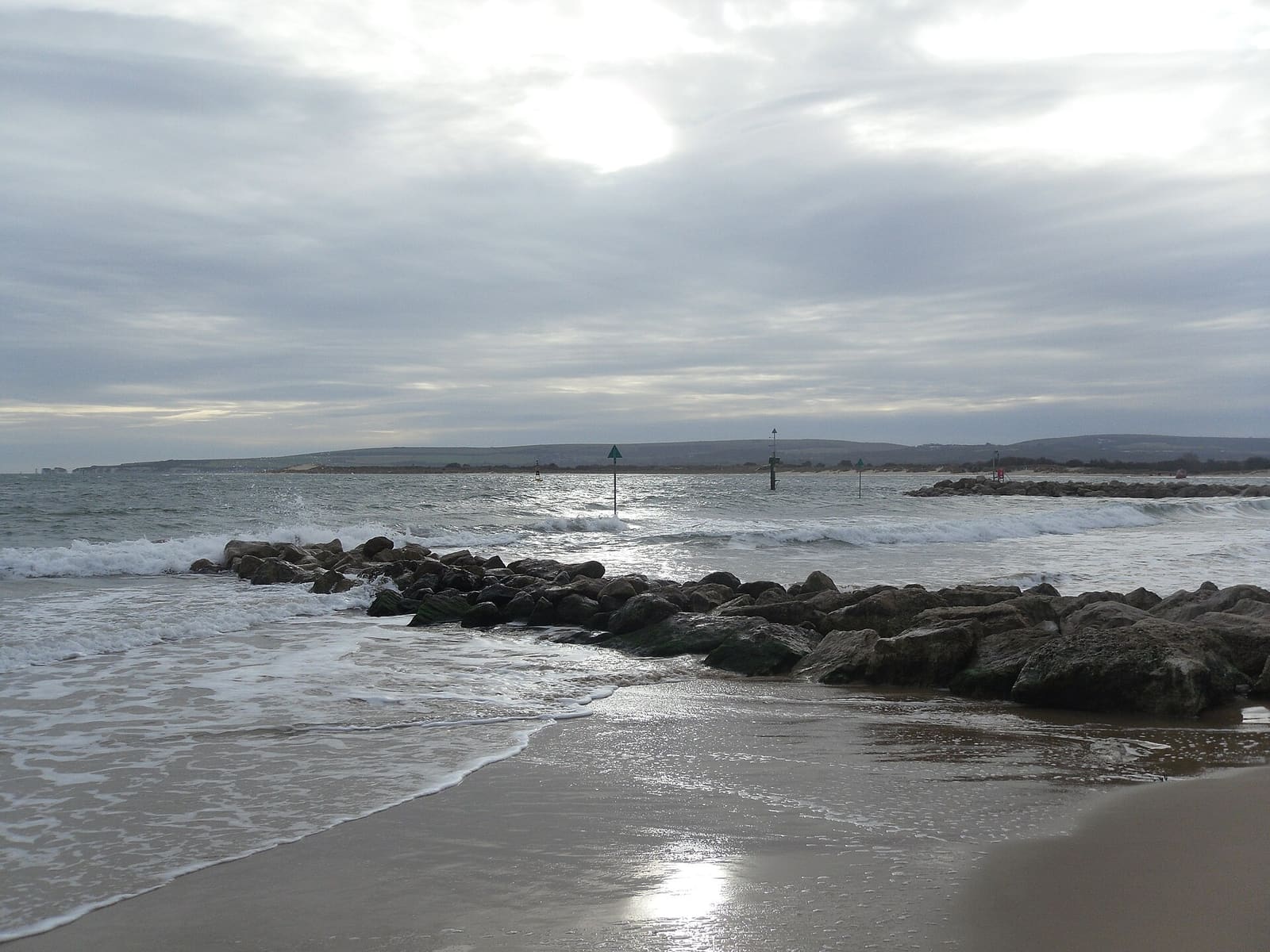
With huts scattered along much of the seven-mile seafront, it is worth working out which section matches your plans. Central beaches near the piers see the most footfall and offer the best access to cafes and facilities. Heading west, the huts at Durley Chine sit near a well-equipped stretch with a modern building and watersports available.
Travel in the opposite direction and the rows towards Southbourne feel quieter and more residential, a solid pick if space and calm matter more to you than crowds. Whichever stretch you choose, the level promenade connects them all, keeping the next kiosk or slipway within easy reach.
What to bring
Because council huts arrive unfurnished, pack as if you were kitting out a tiny room for the day. A handful of items make a real difference:
- Folding chairs and a small table, as the hut itself has no furniture.
- A flask or camping kettle for hot drinks, along with drinking water.
- A windbreak, towels, sun cream and extra layers for when the wind gets up.
- Bin bags, since huts need to be left clean and tidy.
A hut provides midday shade, shelter should the wind pick up, and somewhere lockable to leave bags while you are swimming. For families, it is by far the easiest way to make a long day at the beach comfortable, particularly with young children who need frequent breaks out of the sun.
A few practical notes
Huts are designed for daytime use, not overnight sleeping. When setting out chairs, leave the promenade clear, stick to any posted site rules, and bear in mind that the same seasonal beach and dog restrictions apply to the sand in front of your hut as they do anywhere else along the coast. If in doubt, check the signage on the promenade.
Where to go next
Ultimately, a hut is just a more comfortable way to enjoy the beach, so once yours is booked, the rest is a matter of planning your day around it. Browse the full list of beaches to choose your stretch of sand, or explore the broader range of things to do to fill the time between swims.